🔒 Editor's Note: Prices & availability updated daily. We research and compare products independently. As an Amazon Associate, we earn from qualifying purchases.
Best Quiet Air Purifier for Sleeping (2026)
By Digital & Gear Editorial Team · Updated August 2026
Independent research · Manufacturer noise data · Updated August 2026
Sleep-First Picks · Noise Floor Is the Spec
Most "quiet air purifier" lists rank by marketing claims. For sleeping, only two numbers matter: the decibel level of the lowest sleep mode, and whether the unit has lights or auto-surges that interrupt sleep. A purifier that cleans brilliantly but hums at 40dB or glows blue all night is the wrong tool for a bedroom. Here are the units that actually disappear into the night.
The Sleep-Shortlist by Noise Floor

LEVOIT Core 300
Quietest Overall · 24dB
- Sleep mode 24dB, lights dim fully
- No ionizer, no auto surges on fixed speed
- Right-sized for bedrooms to ~210 sq ft
Check Price on Amazon
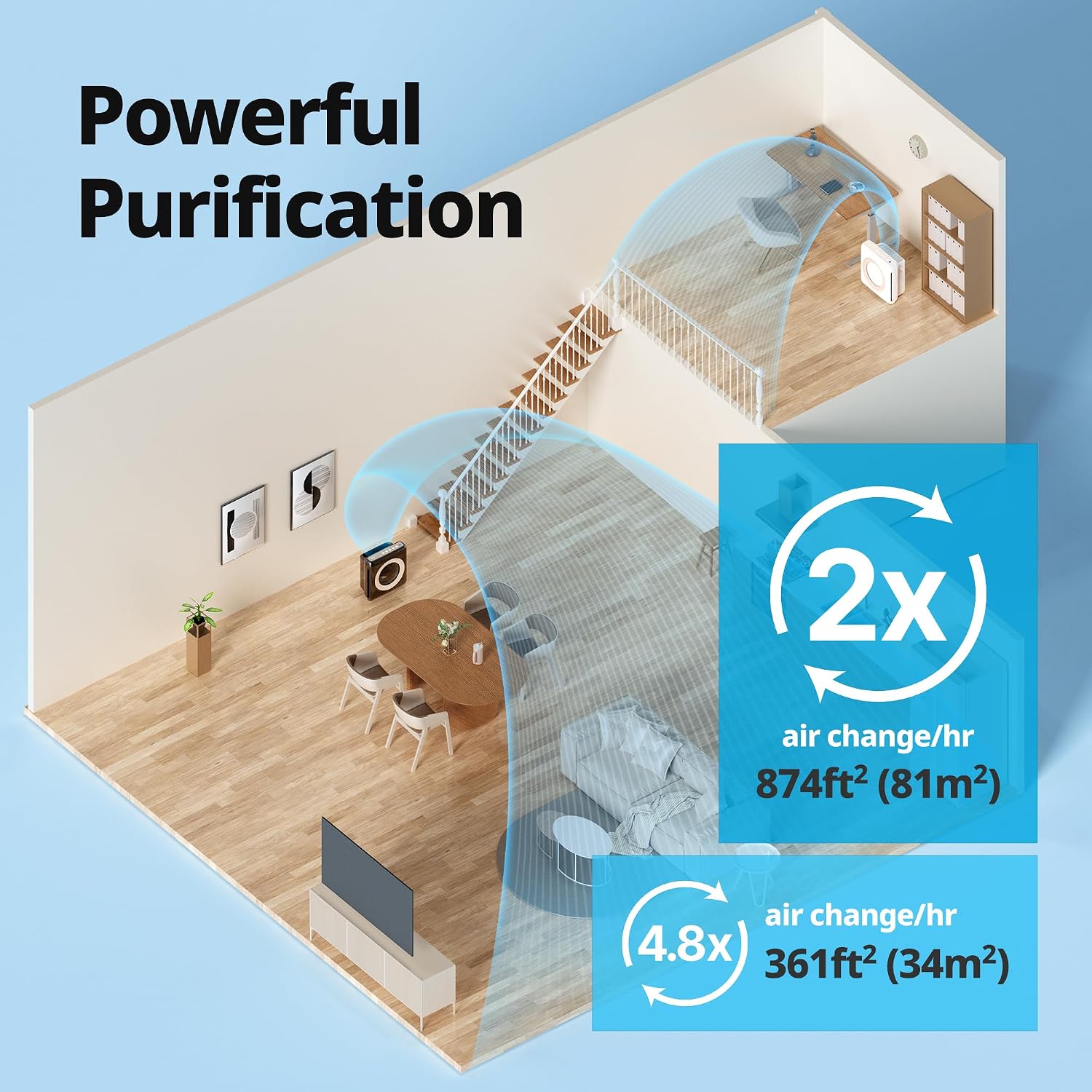
Coway Airmega AP-1512HH
Lowest Measured Low Speed · 22.8dB
- 22.8dB on low — the quietest low speed we track
- Run low fixed at night, auto by day
- Bigger rooms to ~360 sq ft
Check Price on Amazon
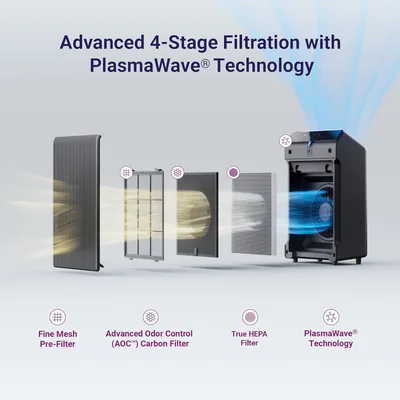
Winix 5500-2
Best Value Quiet · ~27-28dB
- Sleep mode ~27-28dB, dims its lights
- PlasmaWave can stay off at night
- Same CADR as the Coway for less money
Check Price on Amazon
Shopping on a strict budget instead? Our quiet picks under $150 cover the value end, and the bedroom guide covers sizing in depth.
The Three Sleep Traps (Beyond Decibels)
- 1. Auto-mode surges. A sensor-driven fan ramp at 3am is irregular noise — the worst kind for light sleepers. Fix: purge the room on high before bed, then fixed sleep mode overnight.
- 2. Indicator lights. Bright blue air-quality LEDs glow like nightlights. Check that the unit dims or switches lights off in sleep mode (all three picks above do).
- 3. Rattle and resonance. Cheap housings buzz at certain speeds even when "quiet" on paper. The picks here are the units whose owner feedback consistently mentions forgetting the machine is on.
Placement for Sleepers
Keep the unit 3+ feet from your head, outlet not aimed at your face, and near the door or window if possible — it intercepts incoming particles before they reach the bed. In a studio or one-room home, see the studio apartment guide; for a baby's room, the nursery guide applies the same rules more strictly.