🔒 Editor's Note: Prices & availability updated daily. We research and compare products independently. As an Amazon Associate, we earn from qualifying purchases.
Best Air Purifier for Allergies (2026)
By Digital & Gear Editorial Team · Updated September 2026
Independent research · AHAM & manufacturer data · Updated September 2026
Match the Unit to Your Trigger · Hub Guide
Every allergy article tells you "buy True HEPA" — and that part is easy, since ragweed pollen, dust mite debris and pet dander are all far larger than the 0.3-micron particles HEPA traps at 99.97%. The real differences between units are room sizing (CADR), odor layers (carbon weight), and automation (sensors) — and those depend on what you're allergic to.
This hub covers the overall best pick, then the best unit for each major trigger. Each section links to our dedicated guide with the full breakdown.
🏆 Best Overall for Allergies
Coway Airmega AP-1512HH
★★★★★
Digital & Gear Score: 4.7/5
Allergies come in waves — pollen mornings, dust when you vacuum, dander after petting the dog. The AP-1512HH's particle sensor sees each wave and ramps the fan automatically, then idles back down. Full analysis in our AP-1512HH review.
- ✓ Auto mode reacts to invisible triggers — no guessing when counts spike
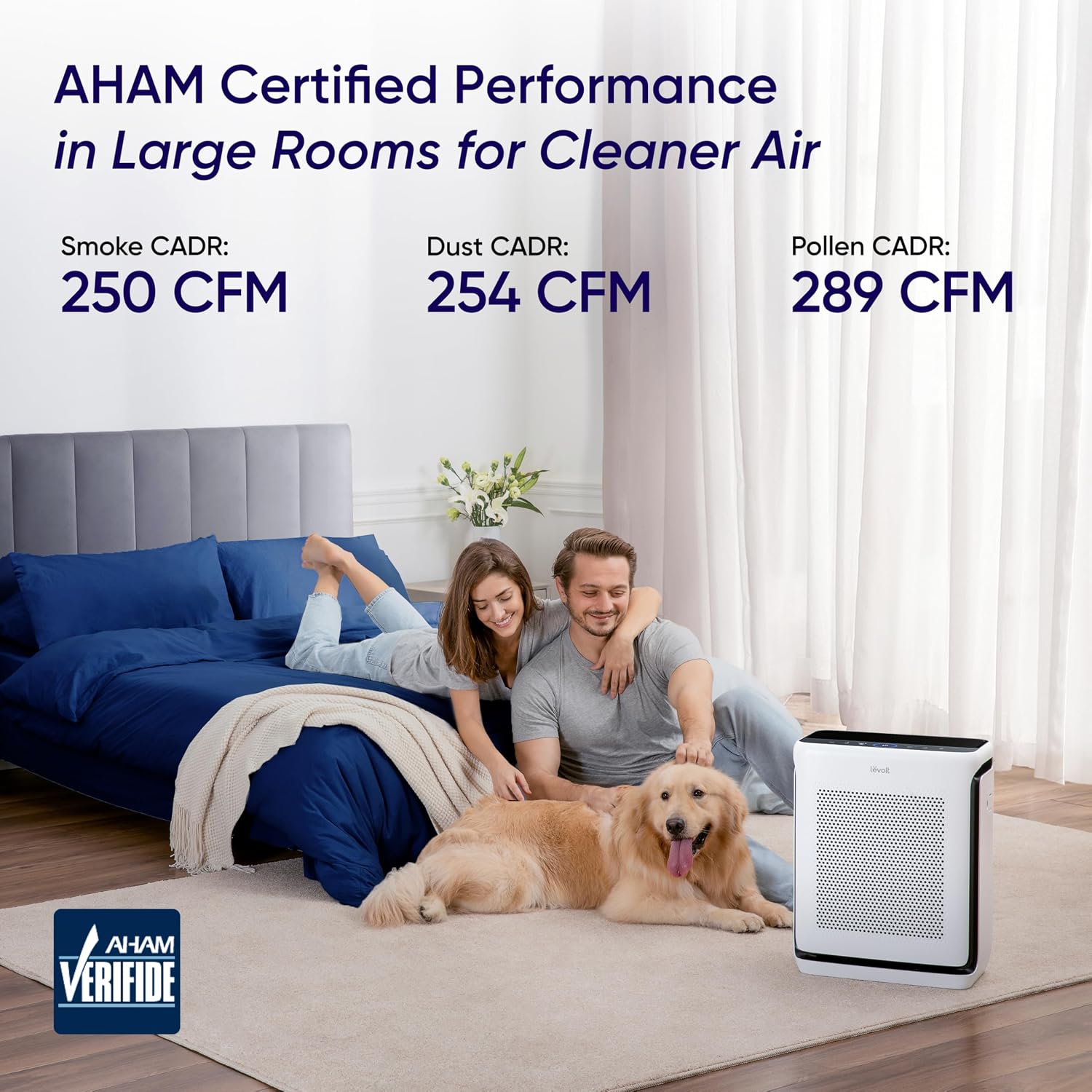
- ✓ Pollen CADR 246 — rooms to ~360 sq ft at the AHAM 2/3 rule
- ✓ 22.8dB low speed — runs in the bedroom all season
The Two Rules Every Allergy Buyer Must Get Right
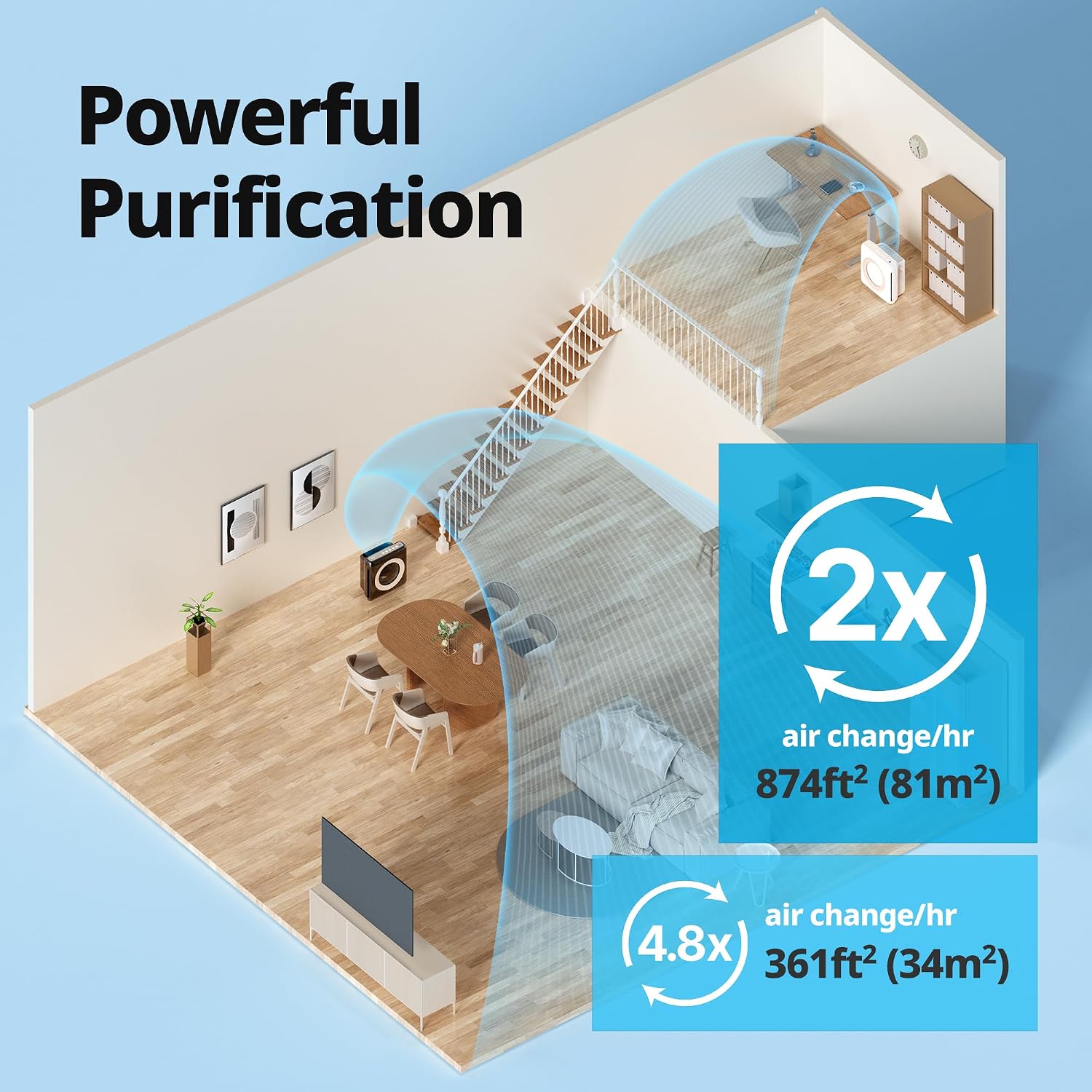
- 1. Size the CADR, not the price tag. Pollen/dust CADR should be at least two-thirds of your room's square footage. An undersized unit on high all day still never catches up during peak season. Not sure of your number? Our finder tool does the math.
- 2. Run it where you breathe longest. That's the bedroom — 8 hours of exposure next to mite-heavy bedding. Our bedroom guide covers quiet-mode picks; light sleepers should see the sleeping-focused guide.
One More Thing: Humidity
Dust mites can't thrive below 50% relative humidity — so in dry winter homes, a humidifier is a humidifier's job, not the purifier's. If you're unsure which you need, read air purifier vs humidifier; many allergy households end up running both.